AWS Database Blog

Building a data discovery solution with Amundsen and Amazon Neptune
This blog post was last reviewed or updated May, 2022. September 8, 2021: Amazon Elasticsearch Service has been renamed to Amazon OpenSearch Service. See details. In this post, we discuss the need for a metadata and data lineage tool and the problems it solves, how to rapidly deploy it in the language you prefer using […]
Best practices: Valkey/Redis OSS clients and Amazon ElastiCache
May 2025: This post was reviewed for accuracy. In this post, we cover best practices for interacting with Amazon ElastiCache for Valkey and Redis OSS resources with commonly used open-source Valkey or Redis OSS client libraries. ElastiCache is compatible with open-source Valkey and Redis OSS up to version 7.2. Redis OSS clients are compatible with […]

Implement Oracle GoldenGate high availability in the AWS Cloud
The need to move data from one location to another in an asynchronous manner is a goal for many enterprises. Use cases might include migrating data to a reporting database, moving applications from on premises to the cloud, storing a redundant copy in another data center, configuring active/active databases across geographic locations, and performing heterogeneous […]

Improve native backup and restore performance in Amazon RDS for SQL Server
Amazon Relational Database Service (Amazon RDS) for SQL Server makes it easy to set up, operate, and scale SQL Server deployments in the cloud. As a fully managed database service, Amazon RDS for SQL Server takes automated backups of your DB instance during the backup window. If required, you can restore your DB instance to […]

Work with files in Amazon Aurora PostgreSQL and Amazon RDS for PostgreSQL
An Oracle to Amazon Aurora PostgreSQL-Compatible Edition or Amazon Relational Database Service (Amazon RDS) for PostgreSQL migration into the AWS Cloud can be a multistage process with different technologies and skills involved, starting from the assessment stage to the cutover stage. For more information about the migration process, see Database Migration—What Do You Need to […]

Automate the Amazon Aurora MySQL blue/green deployment process
December, 2022: Amazon Relational Database Service (Amazon RDS) now supports Amazon RDS Blue/Green Deployments to help you with safer, simpler, and faster updates to your Amazon Aurora and Amazon RDS databases. Blue/Green Deployments create a fully managed staging environment that allows you to deploy and test production changes, keeping your current production database safe. Learn […]
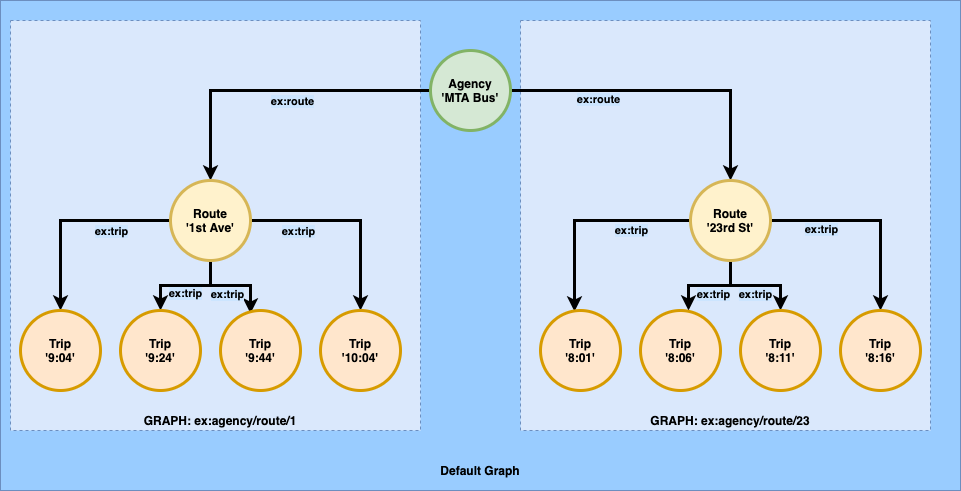
Introducing Graph Store Protocol support for Amazon Neptune
Amazon Neptune is a fast, reliable, fully managed graph database service that makes it easy to build and run applications that work with highly connected datasets. Neptune’s database engine is optimized for storing billions of relationships and querying with millisecond latency. The W3C’s Resource Description Framework (RDF) model and the popular Labeled Property Graph model […]
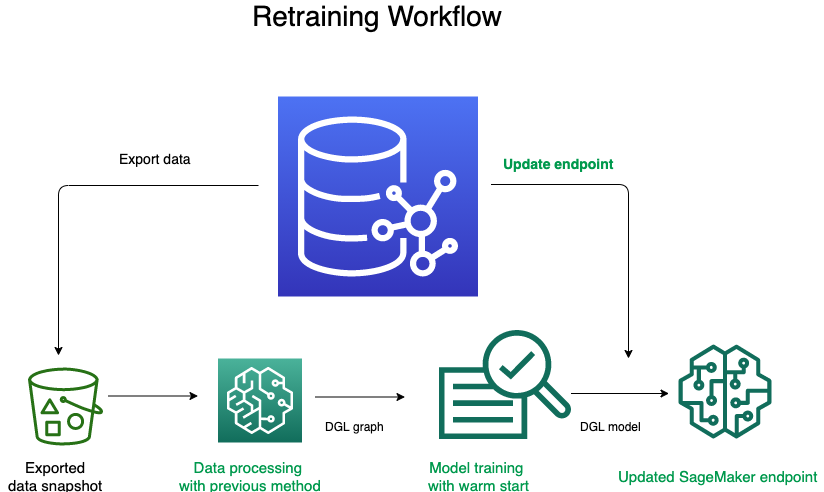
Easier and faster graph machine learning with Amazon Neptune ML
Amazon Neptune ML provides a simple workflow for training machine learning (ML) models for graph data. With version 1.0.5.0, Neptune ML delivers additional enhancements to all the steps of this workflow to reduce cost, increase speed, and offer a more flexible modeling experience. Starting with data export and data processing, Neptune ML now provides additional […]
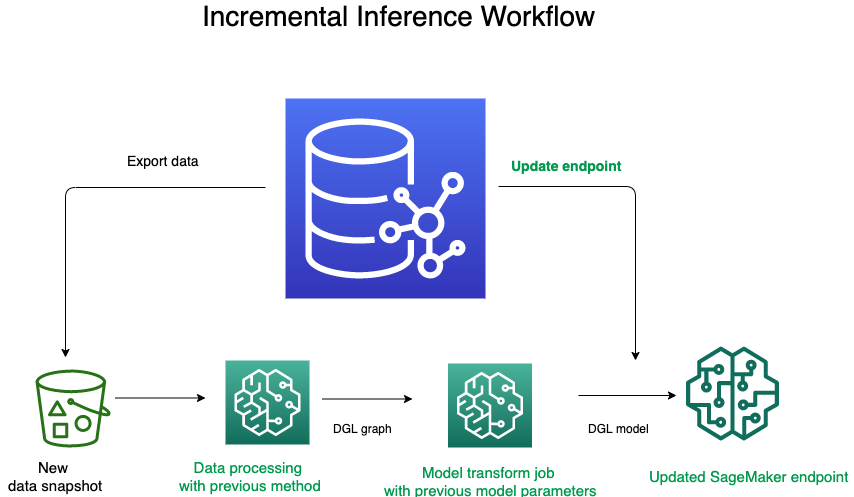
Get predictions for evolving graph data faster with Amazon Neptune ML
As an application developer building graph applications with Amazon Neptune, your graph data may be evolving on a regular basis, with new nodes and or new relationships between nodes being added to the graph to reflect the latest changes in your underlying business data. Amazon Neptune ML now supports incremental model predictions on graph data […]
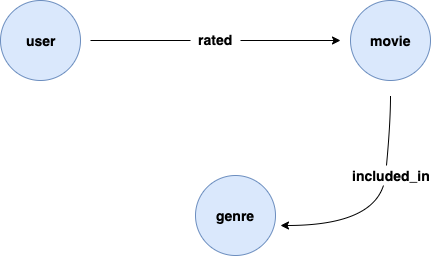
Discover more insights in your graphs with new features from Amazon Neptune ML
Amazon Neptune ML is a feature of Amazon Neptune that brings the power of the state-of-the-art graph neural network (GNN) models to all graph developers. You can use Neptune ML for tasks like node classification, node regression, and link prediction. This allows you to train GNN models powered by the Deep Graph Library (DGL) to […]